

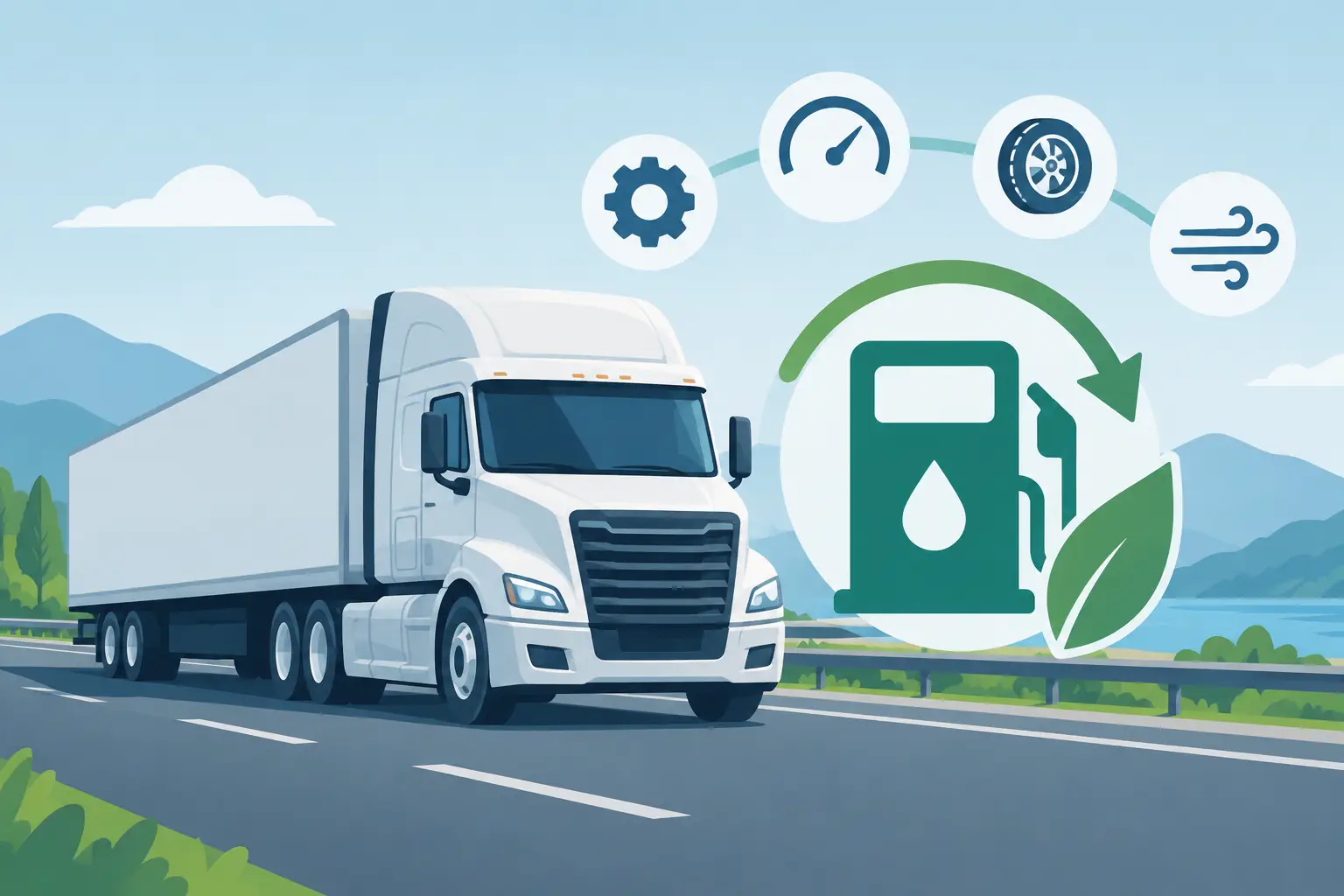
Diesel Fuel Saving Methods That Actually Work
A diesel ute that is regularly hauling tools, towing a van or covering long country kilometres can use far more fuel than the brochure figure suggests. The most effective diesel fuel saving methods are rarely a single magic fix. They come from reducing the small losses in how the vehicle is driven, loaded, maintained and set up for the work it actually does.
Fuel economy also needs to be viewed realistically. A 4WD on all-terrain tyres, fitted with a canopy and carrying recovery gear will not return the same numbers as a lightly optioned vehicle on highway tyres. The objective is not chasing an unrealistic figure. It is getting more useful kilometres from every tank without compromising the way you use your vehicle.
Start With the Habits That Use the Most Fuel
The right foot has a larger effect on diesel consumption than most owners expect. Modern common-rail diesels produce strong low-down torque, so they do not need constant heavy throttle inputs to build speed. Smooth acceleration, early upshifts in a manual and gradual inputs in an automatic all reduce unnecessary fuel delivery.
The key is to maintain momentum. Braking hard for traffic, then accelerating hard again, turns fuel into heat at the brakes. Looking further ahead, leaving a sensible gap and easing off earlier allows the vehicle to roll more often. On the open road, use cruise control where terrain is reasonably flat, but be prepared to manage the throttle yourself on rolling country roads if the system keeps forcing aggressive downshifts.
Speed matters as well. Aerodynamic resistance rises quickly once highway speeds climb, particularly on high-profile utes and 4WDs. Dropping back a few kilometres per hour can make a noticeable difference over a long trip, while also reducing driver fatigue and tyre noise.
Avoid excessive idling. A diesel left running while loading gear, waiting at a worksite or sitting outside the shops is still burning fuel while travelling zero kilometres. Brief stops are one thing; extended idle time should be the exception rather than the routine.
Diesel Fuel Saving Methods Begin With Basic Maintenance
There is no tuning solution or driving technique that can fully overcome a vehicle that is not mechanically up to scratch. Start with tyre pressures. Under-inflated tyres increase rolling resistance, create more heat and wear unevenly. Check pressures cold, not after a motorway run, and use pressures suited to the actual load on board.
For vehicles that alternate between commuting, towing and off-road use, pressure requirements will change. The correct pressure for an unloaded weekday drive is not necessarily right for a loaded touring setup. Follow the tyre maker’s guidance and adjust for the conditions rather than relying on one number year-round.
A blocked air filter, overdue oil service or fuel-system issue can also affect efficiency and response. Use the oil grade specified for the engine, replace filters at sensible intervals and investigate warning lights, rough running or a sudden economy drop promptly. A gradual decline can be easy to miss until it is costing significantly more at the bowser.
Wheel alignment deserves attention after suspension work, pothole impacts or repeated off-road driving. If the vehicle pulls to one side or tyres are feathering, the tyres may be scrubbing away fuel and tread at the same time.
Reduce Weight and Wind Resistance Where You Can
Accessories should match the job, not simply stay fitted because they have always been there. Permanent roof racks, rooftop tents, oversized light bars and open trays can add drag, especially at highway speeds. They may be essential for a trip or work requirement, but removing unused gear is one of the more straightforward ways to lower fuel use.
The same applies to weight. Tools, recovery equipment and touring supplies are sensible when needed, yet many vehicles carry weeks’ worth of unnecessary gear. Have a look through the tray, canopy and rear storage periodically. Every kilogram adds to the effort required to get moving, and roof-mounted weight is particularly costly because it affects both drag and handling.
Towing changes the equation again. A caravan, boat or work trailer creates substantial drag and load, so savings should be measured against comparable trips. Keeping trailer tyres correctly inflated, ensuring brakes are not dragging and packing the load sensibly all help the tow vehicle work more efficiently.
Choose Routes and Trips More Carefully
Several short cold starts can use more fuel than one planned trip that combines the same errands. Where practical, group jobs together and avoid peak congestion. A route that is a few kilometres longer but keeps traffic flowing may use less fuel than stop-start suburban traffic.
For regular work travel, keep a simple record of kilometres, litres and typical loads. This gives you a real baseline rather than relying on the dashboard fuel display alone. The display is useful for observing trends, but tank-to-tank calculations are more reliable when assessing whether a change has genuinely helped.
Fuel quality and consistency matter too. Use a reputable supplier, particularly before towing or remote travel, and keep the fuel system maintained according to the vehicle manufacturer’s schedule. If economy changes immediately after a different fill, do not jump to conclusions from a single tank. Compare several similar runs before deciding there is a pattern.
Use Vehicle-Specific Tuning to Improve Usable Efficiency
A well-designed tuning module can be part of a practical fuel-saving approach, provided it is selected for the exact vehicle and used with sensible driving habits. By improving torque delivery through the usable rev range, a correctly programmed module may allow the engine to move the vehicle with less throttle input in everyday driving, particularly when carrying a load or towing.
That does not mean any generic box labelled for a broad group of engines will deliver the same result. Diesel engines vary by model year, fuel system, transmission, factory output and variant. A module should be electronically calibrated for those details, rather than being a one-size-fits-all product sold under different labels.
For many owners, the real benefit is smoother, stronger response at normal road speeds. When the vehicle does not need to hunt for gears or demand heavy throttle to handle an incline, it can be easier to drive efficiently. But the outcome still depends on the driver. Using improved response to accelerate harder at every opportunity will naturally consume more fuel.
Chip My Diesel focuses on German-designed and manufactured, vehicle-specific modules that plug into the relevant engine connections without complex workshop conversion. Before choosing any module, confirm the exact make, model, engine, transmission and variant through a proper vehicle selector. Compatibility is not a detail to guess at, especially in a market crowded with generic rebadged products.
Measure Changes Before You Call Them Savings
Fuel economy is affected by wind, traffic, tyre pressures, payload, towing, terrain and even how often the air conditioning is used. That is why one exceptional highway tank is not proof of a permanent improvement.
Track consumption over at least three to five full tanks under broadly similar conditions. Record litres filled, kilometres travelled, average speed if available, load carried and whether a trailer was attached. Calculate litres per 100 km, then compare like with like. This approach makes it easier to spot meaningful savings and to identify when a maintenance issue is beginning to develop.
The best result is a vehicle that feels easier to drive, carries out its intended work confidently and uses less fuel across the kilometres that matter. Start with tyres, maintenance and driving habits, then make upgrades that are engineered for your exact vehicle rather than promises printed on a generic box.
Happy Driving!